Our products are not OEM, they are only compatible parts


Views: 0 Author: Site Editor Publish Time: 2026-09-30 Origin: Site
Beverage production lines run on razor-thin margins. Strict uptime requirements leave no room for errors. Every minute of stalled production hurts your bottom line heavily. High-speed bottling requires continuous motion. Machine wear happens constantly.
Sourcing replacement components from the original manufacturer often triggers premium pricing. Extended lead times frequently stall crucial maintenance schedules. These procurement delays directly damage your operational profitability. Finding reliable parts quickly keeps your operation competitive.
Transitioning to high-quality aftermarket alternatives offers a smart solution. You can achieve substantial savings without risking machine health. Procurement and maintenance teams must apply a rigorous evaluation framework. They should rely on hard evidence to approve alternative components. This strategic shift protects your operational reliability while dramatically reducing expenses. You will learn how to evaluate aftermarket suppliers effectively. We will explore material analysis and dimensional accuracy. You will discover a clear roadmap for safe implementation.
Direct cost savings from aftermarket parts must be weighed against overall operational costs, including potential downtime risks.
Successful integration relies on strict technical validation, including metallurgical matching and precise dimensional tolerances.
Risk mitigation requires auditing vendors for industry-specific experience and robust warranty policies.
A phased implementation—starting with low-risk consumables before moving to complex assemblies—ensures safe, verifiable adoption.
Production managers constantly balance budgets against machine reliability. Evaluating Sacmi OEM vs aftermarket parts requires a detailed cost-benefit analysis. You must look beyond the initial purchase price. Operational longevity dictates true value.
Aftermarket solutions often reduce your inventory holding costs. Shorter lead times allow smaller stock reserves. Localized manufacturers bypass complex global supply chains. They deliver essential components much faster. Rapid delivery minimizes costly production halts.
Buyers often question the OEM premium. You pay for more than the physical part. Original manufacturers charge for extensive R&D overhead. They also add a significant brand markup. A carefully selected aftermarket part provides identical core utility. It performs the exact mechanical function for much less money.
Strategic categorization prevents costly mistakes. You must decide which components demand original sourcing. Proprietary software-integrated electronics usually require OEM purchasing. Mechanical wear parts handle physical stress daily. Items like seals and capping heads serve as ideal substitution candidates. Third-party manufacturers excel at producing these mechanical elements.
Strategic Sourcing Matrix
| Component Category | Recommended Source | Primary Reason |
|---|---|---|
| Electronic control boards | OEM | Proprietary software integration |
| Mechanical capping chucks | Aftermarket | High wear rate; easily replicated mechanically |
| Standard rubber seals | Aftermarket | Commodity item; high cost savings |
| Complex drive motors | OEM / Certified Rebuilder | Intricate internal tolerances |
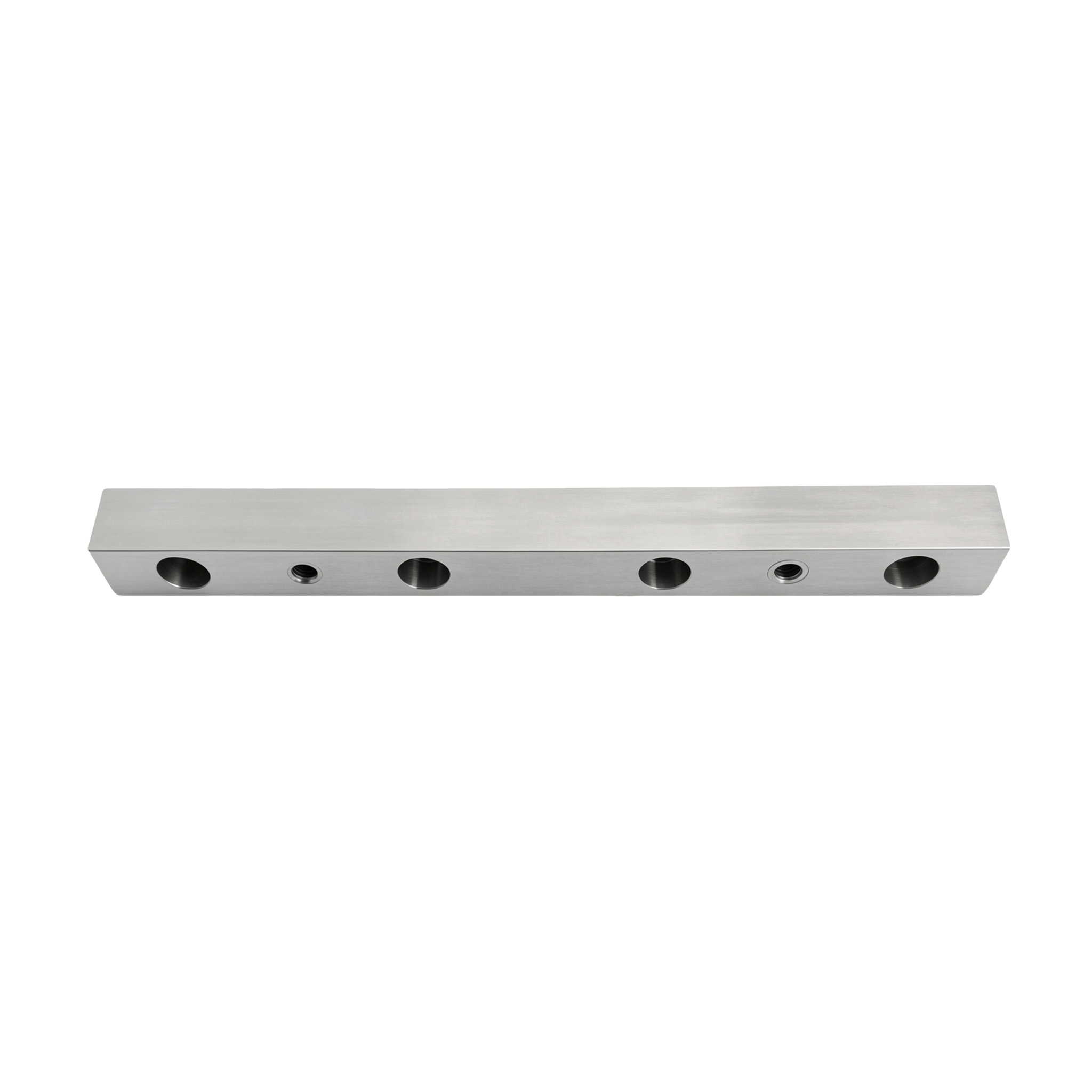
Evaluating new components demands rigorous technical standards. Visual similarity never guarantees operational success. Your Sacmi spare parts selection process must mandate deep material analysis.
Beverage lines expose parts to continuous friction. Components endure aggressive chemical washdowns daily. High-speed impacts degrade weak materials rapidly. You must verify exact metallurgical compositions. Spectrometric analysis confirms proper stainless steel grades. Polymeric parts require thermal resistance testing. Food-grade certifications remain absolutely mandatory.
Dimensional accuracy dictates line efficiency. Beverage filling involves intense precision engineering. Capping lines operate at incredible speeds. Even microscopic deviations cause major problems. Poorly sized parts wear out adjacent components quickly. Bad seals lead directly to product contamination. Tight tolerances ensure seamless integration.
Top aftermarket vendors utilize advanced reverse engineering. They do not merely copy worn-out components. Good engineers optimize the original design flaws.
They follow a strict replication standard:
Engineers scan original OEM parts using high-resolution 3D lasers.
They build precise CAD models from the gathered spatial data.
Designers identify failure points in the original OEM blueprints.
Metallurgists recommend stronger material alloys for improved longevity.
Machinists program CNC equipment to hit exact micro-tolerances.
This technical framework separates premium alternatives from cheap imitations. You secure better performance through applied engineering.
You must validate new parts before widespread deployment. Proper benchmarking ensures line reliability. Engineers rely on Mean Time Between Failures data. MTBF tracks component longevity accurately.
Alternative parts must meet the baseline OEM data. Exceptional interchangeable Sacmi components often exceed these original benchmarks. You establish specific criteria before testing begins. Document the historic failure rates of original parts. Use this data for direct comparison.
Operational stress testing isolates potential risks. Never install untried components across the entire line simultaneously. You should run controlled trials first. Install a single new capping head. Replace just one filler valve initially. Monitor this isolated station closely during full-speed production.
Wear pattern analysis provides crucial insights. You must monitor how new parts interact alongside existing equipment. An overly hardened aftermarket gear might destroy a softer OEM gear. Mismatched materials accelerate wear on expensive machine assets. Technicians should inspect trial parts weekly. They must measure friction zones carefully. This prevents collateral damage to the broader machine.
MTBF Benchmarking Chart
| Component Under Test | OEM Baseline MTBF (Hours) | Aftermarket Target MTBF (Hours) | Trial Duration (Weeks) |
|---|---|---|---|
| Filler Valve Seal | 2,500 | 2,500+ | 4 |
| Capping Chuck Spring | 4,000 | 4,500 | 8 |
| Conveyor Guide Rail | 6,000 | 6,000 | 12 |
Safe purchasing requires diligent vendor vetting. You must establish strict auditing criteria. Evaluate a supplier’s manufacturing facilities directly if possible. Check their current ISO 9001 certifications carefully. Industry-specific experience matters greatly here. A vendor producing non‑OEM Sacmi spare parts must understand beverage packaging. General machinists often miss critical sanitation requirements.
Traceability guarantees consistent quality control. Your Sacmi spare parts procurement strategy needs robust documentation. Demand paperwork for every single batch delivered. Suppliers must provide official material test reports. They should include dimensional inspection certificates. These documents prove exact specification adherence. Reject any shipment lacking proper quality documentation.
Warranty agreements protect your operational budget. Draft purchase agreements carefully. Outline clear terms regarding defect replacements. Specify downtime accountability rules. Integrating Sacmi Spare Part Compatible Parts carries inherent operational responsibilities. Strong vendors back their engineering confidently. They offer guarantees matching original equipment manufacturers. Clear liability terms prevent costly legal disputes later.
Always maintain a backup OEM inventory during transitions. This safety net allows immediate swapping if an alternative part fails unexpectedly. Risk mitigation balances bold savings against protective planning.
Changing your sourcing strategy requires methodical execution. A rushed transition invites catastrophic production failures. We strongly recommend a three-phase rollout plan. This staggered approach verifies safety continuously.
Phase one focuses strictly on low-risk consumables. You begin integrating basic compatible Sacmi replacement parts here. Items like O-rings serve as perfect starting points. Drive belts and generic guide rails work well too. This initial step tests vendor logistics thoroughly. It validates basic material quality safely. A failed O-ring rarely causes major machine damage.
Phase two targets high-frequency mechanical parts. You move up the complexity scale carefully. Introduce aftermarket capping chucks during this stage. Swap out pressure plates and tension springs. Only proceed after phase one shows complete success. Technicians monitor these moving parts for premature fatigue.
Phase three involves core assembly integration. This step adopts complex interchangeable units entirely. You only attempt this after establishing a documented reliability history. The vendor must prove robust support capabilities first. Complex assemblies dictate core machine performance.
You need a customized shortlisting matrix now. Take actionable next steps immediately.
Review your annual spare parts expenditure report.
Identify the top three high-spend components.
Filter out proprietary electronic control units.
Select purely mechanical items for your initial trial.
Contact two verified vendors for sample testing.
This structured method eliminates guesswork entirely. It builds institutional confidence systematically.
Achieving significant cost savings remains highly achievable today. You simply cannot sacrifice valuable machine uptime. Success requires shifting away from reactive purchasing mindsets. Teams must adopt a strategic engineering-led evaluation process. High-quality aftermarket alternatives rival original components effectively. They offer remarkable financial relief for tight production budgets.
We recommend empowering your maintenance and procurement departments jointly. They should audit potential suppliers together. Always demand stringent material certifications before finalizing orders. Run controlled trials systematically to gather empirical performance data. This collaborative, evidence-based approach lets you confidently integrate alternative components. It maximizes profitability while securing reliable daily operations.
A: Warranties typically apply to individual components rather than the entire machine. Installing an aftermarket part voids the warranty for that specific zone. The overarching machine warranty usually remains intact. Older, post-warranty production lines serve as ideal candidates. They offer maximum savings without any warranty risks.
A: You must always request certified material composition documents. Reputable vendors supply comprehensive metallurgical test reports readily. We advise conducting independent third-party testing for large initial orders. This extra step verifies claims objectively. It ensures food-grade compliance and structural integrity.
A: Aftermarket manufacturers often significantly reduce lead times. Localized facilities bypass the rigid global supply chain bottlenecks of massive OEMs. While OEMs might require weeks for delivery, specialized vendors often ship mechanical parts within days. This rapid turnaround minimizes expensive operational downtime.
A: Use a straightforward metric framework. First, subtract the aftermarket part cost from the original OEM cost. Next, factor in any differences in installation labor time. Finally, account for variations in MTBF over a 12-month production cycle. This calculation reveals your true operational savings accurately.


